





Boeing achieved a stunning year-end milestone by handing over 10 commercial aircraft to customers in a single day last week, intensifying the delivery race against Airbus as both manufacturers scramble to meet 2025 targets amid unprecedented global backlogs averaging 11 years of production.
November marked Boeing’s strongest monthly performance with 72 deliveries across the 737 MAX, 787 Dreamliner, and 777X families serving 42 airlines worldwide. Airbus countered with 72 aircraft in the same period, dominated by A320neo variants, but Boeing pulled ahead in gross orders accumulating 1,000 through November against Airbus’s 797.
The single-day surge included five 737 MAX 8s to low-cost carriers in Southeast Asia and Latin America, alongside two 787-9s for long-haul operators upgrading from aging 777s. Boeing’s backlog now stands at 6,609 aircraft—11.2 years at current rates—while Airbus reports 8,695 jets or 11 years of production capacity.
Year-End Delivery Sprint Reveals Production Realities
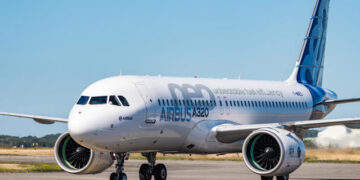
Airbus faces particular pressure after achieving only 657 deliveries through November, trailing its 790-aircraft annual target by 133 units. The A320neo family accounts for the vast majority of outstanding orders, creating a narrowbody bottleneck that delays widebody programs like the A350 serving Air India’s expansion.
Boeing’s 737 MAX ramp-up demonstrates supply chain stabilization post-MCAS crisis. October production rates hit 38 per month with unofficial deliveries pushing toward 590 for 2025. The 787 Dreamliner’s steady output contrasts Airbus A350 challenges, where clean-sheet composite manufacturing strains persist.
2025 Delivery Comparison (Through November):
| Manufacturer | Deliveries | Target | Backlog Years |
|---|---|---|---|
| Boeing | ~500 est. | 590 | 11.2 years |
| Airbus | 657 | 790 | 11.0 years |
Regional Winners and Loses in the Order Wars
Southeast Asian LCCs lead narrowbody absorption, with Thai Airways taking its first A321neo lease from AerCap—marking the start of 10 deliveries through 2028. Wizz Air bases its 15th A321neo at Rome Fiumicino for summer 2026 expansion.
Middle East carriers pivot strategically. Etihad cuts widebody orders while Qatar names a new CEO amid fleet modernization. Europe’s business aviation faces Dutch charter taxes threatening operations into 2026.
Cargo demand surges independently. Airbus forecasts the dedicated freighter fleet growing 45% to 3,420 aircraft by 2044, driven by e-commerce volumes doubling global air cargo traffic.
Narrowbody Order Leaders 2025:
| Airline Group | Boeing Orders | Airbus Orders |
|---|---|---|
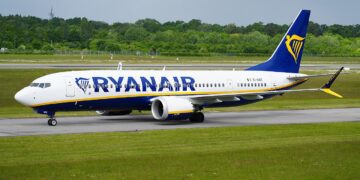
| Ryanair | 150 MAX | 75 A320neo |
| IndiGo | 240 MAX | 500 A320neo |
| AirAsia | 100 MAX | 200 A320neo |
December’s grim accident tally tempers celebration. Aviation Safety Network reports 12 fatal crashes in 2025 claiming 421 lives—far exceeding five-year averages. Harmony Jets Malta’s Falcon 50 crash near Ankara killed Libya’s army chief, while Beechcraft incidents plague general aviation.
Swiftair’s Boeing 737-400SF cargo crash in Lithuania and Swiss A220 emergency landing highlight persistent risks despite OEM delivery surges. Azerbaijan Airlines Embraer 190 downing by Russian missile underscores geopolitical threats to routine operations.
December 2025 Incidents Snapshot:
| Date | Aircraft | Fatalities | Cause |
|---|---|---|---|
| Dec 23 | Falcon 50 | Multiple | Crash near Ankara |
| Dec 18 | Citation II | 0 | Statesville runway |
| Dec 15 | Citation III | 10 | Toluca approach |