
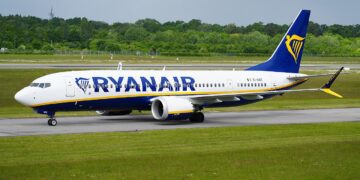





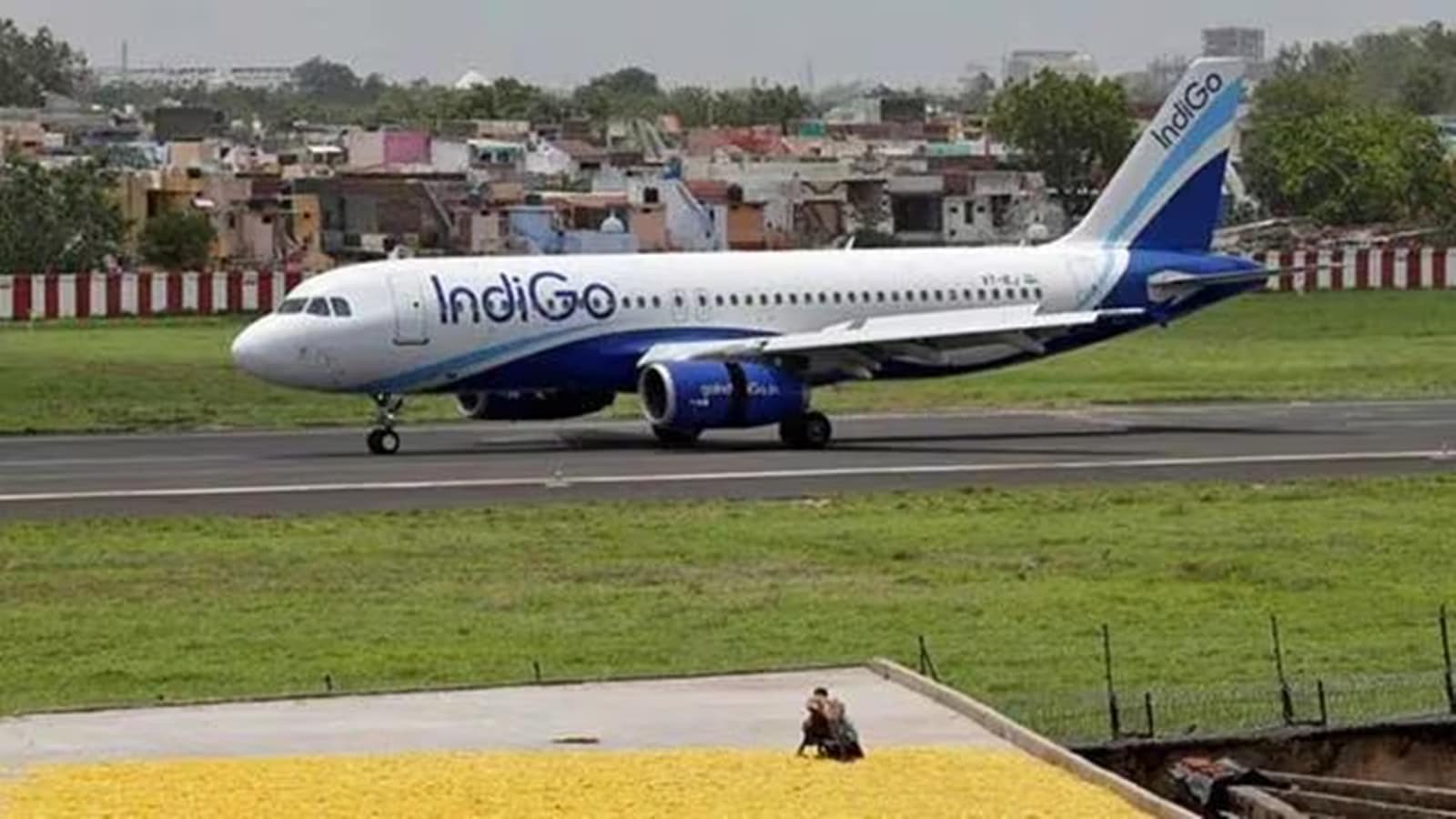
India’s Directorate General of Civil Aviation (DGCA) has granted preliminary clearance for Boeing 737 MAX operations, allowing IndiGo to commence simulator validation flights and setting the stage for commercial service resumption by Q2 2026. This approval marks the end of a four-year grounding period that began after global safety concerns led to the type’s suspension following two fatal crashes in 2018 and 2019.
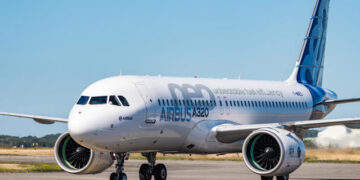
IndiGo completed enhanced pilot training on upgraded MAX simulators at their Gurgaon facility last week, successfully demonstrating compliance with Boeing’s comprehensive software modifications and DGCA’s rigorous recertification requirements. The airline maintains firm orders for 240 MAX aircraft, representing a substantial capacity expansion opportunity amid ongoing A320neo disruptions caused by solar radiation-related groundings affecting their primary narrowbody fleet.
Boeing’s Comprehensive Safety Overhaul Since 2021 Grounding
Boeing implemented extensive changes to address the root causes identified in previous investigations, most notably the Maneuvering Characteristics Augmentation System (MCAS) software flaws. Key modifications include dual angle-of-attack sensor redundancy to eliminate single-point failures, extended stall warning activation thresholds that prevent erroneous nose-down commands during normal operations, and enhanced pilot override authority during anomalous flight characteristics.
DGCA structured the recertification process across three distinct phases. Simulator certification concluded with 100 hours of pilot training logged on the revised flight deck configuration. Test flights commence February 2026, involving 50 revenue-like operations across high-density routes. Full type certification arrives April 2026, clearing unrestricted commercial passenger service.
IndiGo pilots provided positive feedback during high-alpha scenario testing, describing the handling characteristics as “intuitive and responsive” compared to legacy 737NG models. The airline plans strategic phased induction beginning with Delhi-Mumbai shuttle operations before expanding to international sectors where capacity constraints remain acute.
IndiGo’s Strategic Capacity Boost and Competitive Landscape
The MAX introduction delivers an immediate 18% boost in available seat kilometers for IndiGo through 2026. Current narrowbody operations stand at 320 A320neo aircraft, with 12 currently grounded due to solar radiation ECU inspections. Twenty-five MAX aircraft enter service across Q2-Q4 2026, directly addressing slot shortages on metro routes.
High-density corridors like Delhi-Mumbai, Bengaluru-Hyderabad, and Mumbai-Chennai emerge as primary deployment targets where A320neo availability remains constrained. The MAX-8’s 15% fuel efficiency advantage over legacy 737NG models strengthens IndiGo’s competitive positioning against Air India’s aggressive A321neo expansion targeting premium international routes.
SpiceJet pursues parallel certification for their 12 stored MAX jets, though financial restructuring delays their operational timeline. Akasa Air accelerates all-Boeing strategy execution with B737 MAX-8 deliveries filling voids created by GoFirst’s liquidation.
Performance Advantages Driving Indian Airport Deployments
Landing performance comparisons highlight MAX advantages at India’s challenging table-top and monsoon-prone airports. Mumbai’s runway 09/27 requires 2,800 meters for MAX-8 versus 3,000 meters for A320neo equivalents. Bengaluru’s elevated 09/27 runway demands 3,200 meters MAX versus 3,500 meters A320neo. Kolkata’s 01L/19R configuration benefits from superior wet runway performance during monsoon operations.
DGCA mandates quarterly proficiency checks for MAX flight crews through 2027 alongside continuous airworthiness monitoring programs. Industry analysts forecast 150 daily MAX flights across Indian carriers by 2027, challenging Airbus narrowbody dominance in the world’s fastest-growing aviation market.
Boeing’s India team describes the recertification as “trust fully restored,” committing to local MRO partnerships and dedicated pilot training academies servicing the growing fleet. The approval signals maturing regulatory confidence alongside Boeing’s engineering remediation efforts.






Comments 1