





The Adani Group is no longer content with simply managing the terminals you walk through. In a major strategic shift announced this week, the conglomerate has unveiled plans to dominate the entire lifecycle of an aircraft. From training the pilots who fly the planes to fixing the engines that power them, Adani is building an end-to-end aviation ecosystem.
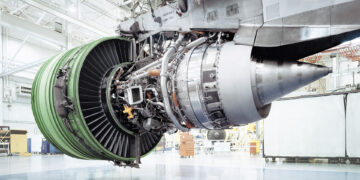
Jeet Adani, Director of Adani Airport Holdings Ltd (AAHL), confirmed that the group is aggressively expanding into two high-value sectors: Engine Maintenance, Repair, and Overhaul (MRO) and Passenger-to-Freighter (P2F) conversions. This move is set to challenge the long-standing dominance of foreign MRO firms in the Indian market.
The Strategy: “Single Giant MRO Company”
For years, Indian aviation has suffered from a critical infrastructure gap. While Indian carriers buy hundreds of planes, they are often forced to send them to Europe, Singapore, or the Middle East for heavy maintenance and engine repairs. Adani aims to plug this drain on foreign exchange.
The group is consolidating its recent acquisitions to create a unified powerhouse. By merging Air Works, a legacy MRO player it acquired for ₹400 crore, with Indamer Technics, another major maintenance provider, Adani is creating what they describe as a “single giant MRO company.”
This new entity will focus on:
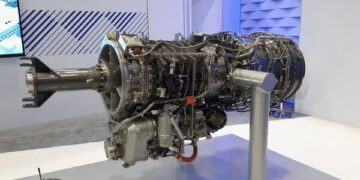
- Engine MRO: The most lucrative part of the maintenance value chain.
- P2F Conversions: Retrofitting older passenger jets into cargo planes to support India’s booming e-commerce logistics sector.
- Base Expansion: New maintenance facilities are planned for Ahmedabad, Guwahati, and Bhubaneswar, ensuring coverage across the country.
Training capacity to meet pilot demand
The expansion does not stop at hardware. The group recently acquired a 72.8% stake in the Flight Simulation Technique Centre (FSTC) for ₹820 crore.
With Indian airlines like IndiGo and Air India set to induct nearly 1,700 new aircraft in the coming years, the country faces a severe shortage of skilled pilots. Adani’s plan involves scaling FSTC’s capacity from its current 15 simulators to nearly 50 simulators within the next three years. This would make it one of the largest pilot training infrastructures in the region.
A “Dual-Use” Vision
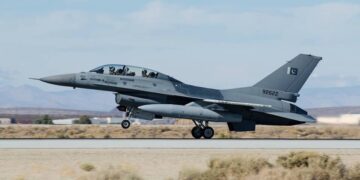
A unique aspect of Adani’s strategy is the integration of civilian and defense capabilities. By placing these assets under the umbrella of Adani Defence & Aerospace, the group can service both commercial airliners and military aircraft. This “dual-use” synergy allows for better asset utilization and deeper technical expertise.
As Jeet Adani noted, the separation is clear: one arm builds the airports, and the other ensures the planes are fit to fly into them. The race to become India’s aviation king is officially on.