




India’s commercial aviation sector faces a looming capacity catastrophe as 95% of the domestic fleet—comprising aging A320s and B737s—approaches mandatory retirement between 2027-2030, threatening a 30% available seat kilometer shortfall unless aggressive fleet renewal accelerates immediately. Average fleet age hit 9.2 years in 2025, with SpiceJet’s B737s averaging 9.8 years and 45% exceeding 15-year lifespans.
The crisis stems from two parallel pressures: GoFirst’s 54-aircraft liquidation created immediate gaps, while Pratt & Whitney GTF engine failures grounded 15% of IndiGo’s A320neo fleet through solar radiation inspections and serial defects. Airbus and Boeing deliveries lag behind 500 narrowbody orders placed since 2022, leaving carriers scrambling for capacity amid 15% annual passenger growth.
Current Fleet Age Breakdown Exposes Vulnerabilities
SpiceJet confronts the most acute challenge with 65 active B737s averaging 9.8 years, 28 aircraft grounded due to maintenance backlogs. IndiGo fares better at 6.2 years across 320 A320neos but faces 50 retirements by 2028. Air India’s widebody focus leaves narrowbody capacity stagnant at 187 aircraft averaging 10.1 years.
Narrowbody Age Profile Across Major Carriers:
| Airline | Active Aircraft | Avg Age | % Over 15 Years | Grounded |
|---|---|---|---|---|
| IndiGo | 320 A320neo | 6.2 years | 2% | 15 (GTF/solar) |
| SpiceJet | 65 B737 | 9.8 years | 45% | 28 (maint) |
| Air India Express | 65 A320 | 8.9 years | 12% | 4 |
| Akasa Air | 25 B737-8 | 1.2 years | 0% | 0 |
Akasa Air emerges as the sole bright spot with pristine B737 MAX-8 deliveries, but their 25-aircraft fleet cannot offset national shortages alone.
Delivery Delays Compound the Capacity Crunch
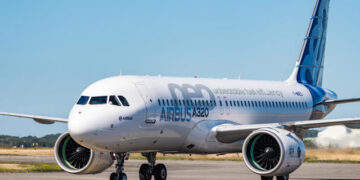
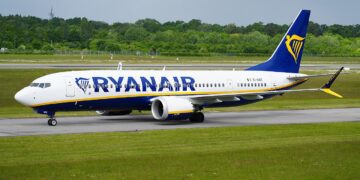
Airbus faces production bottlenecks at Toulouse, delaying 170 A320neo/A321neo deliveries to Indian carriers through 2027. Boeing’s 737 MAX recertification—cleared by DGCA for IndiGo this month—stumbles with supply chain constraints limiting 25 aircraft arrivals in 2026. Boeing MAX India Return.
Sustainable Aviation Fuel (SAF) conversion requirements add further complications. Airworks’ recent acquisition of 25 GoFirst A320s targets SAF retrofits for lease markets, but comprehensive engine overhauls delay airworthiness certificates 12-18 months. IndiGo accelerates lessor negotiations for interim capacity while Pratt & Whitney resolves GTF durability issues plaguing 40% of their fleet.
Regional Connectivity Faces Terminal Risk
UDAN scheme’s 100 underserved airports depend entirely on 180-200 seat narrowbodies, but aging fleets force cancellations averaging 18% during monsoon peaks. Tier-2 cities like Guwahati, Bhubaneswar, and Indore suffer 25% slot reductions as carriers prioritize metro profitability.
Government intervention looms through:
- MRO Policy 2.0 offering 20% capex subsidies for narrowbody overhauls
- Import duty waivers on pre-owned A320/B737s under 10 years
- FASTag-linked airport charges favoring high-utilization carriers
2030 Solutions: 500 Aircraft Required Immediately
Industry consensus demands 500 narrowbody deliveries by 2030 split evenly between Airbus and Boeing. IndiGo leads with 240 MAX firm orders, Air India commits 250 A320neo/A321XLR hybrids, while Akasa doubles down on Boeing exclusivity.
| Year | Retirements | New Deliveries | Net Capacity |
|---|---|---|---|
| 2026 | 35 | 75 | +40 |
| 2027 | 65 | 120 | +55 |
| 2028 | 95 | 150 | +55 |
| 2029-30 | 150 | 200 | +50 |
Private MROs like Airworks and Indamer scale to 100 check visits annually, but skilled technician shortages cap capacity at 60% utilization. HAL’s aerospace division pivots from military fighters to commercial engine overhauls, targeting LEAP-1A certification by 2028.