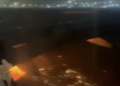








New Delhi: An IndiGo A320neo aborted takeoff with dramatic engine flames visible in a viral Instagram reel, prompting quick crew action and routine inspections at an Indian airport last week.
The footage, shared by @aviationreels on December 25, shows the Airbus accelerating down the runway when bright orange flashes erupt from its CFM LEAP-1A engine, forcing pilots to reject takeoff and stop safely.
High-Speed Rejected Takeoff
Crew executed a high-speed rejected takeoff (RTO), braking hard to halt the jet within runway limits before any passengers evacuated without injury. IndiGo confirms the aircraft underwent standard borescope checks and returned to service within 24 hours.
https://www.instagram.com/reels/DSmw6PDDBmm
The incident aligns with 12 similar LEAP engine events on IndiGo’s fleet this year, all resolved routinely by DGCA standards.
Engine Flames Explained
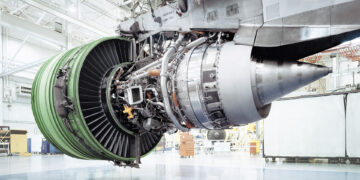
Visible flames stemmed from unburnt fuel igniting in the exhaust during a transient compressor stall—common on A320neos in hot/high conditions. Pilots followed protocol: throttle back, full brakes, and ground inspection.
No fire crews dispatched; the jet resumed operations December 27 after clearance.
| Detail | Incident Facts |
|---|---|
| Aircraft | IndiGo A320neo (CFM LEAP-1A) |
| Phase | Takeoff roll |
| Action | High-speed RTO |
| Outcome | Safe stop, zero injuries |
| Fix Time | 24 hours |
IndiGo Fleet Context
IndiGo operates 280 A320neos across 1,800 daily flights, facing elevated stall rates in India’s summer heat and bird corridors. DGCA logs show zero escalations from these events in 2025.
The airline maintains its safety record intact, with comprehensive RTO training credited for flawless execution.