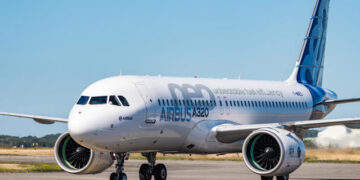







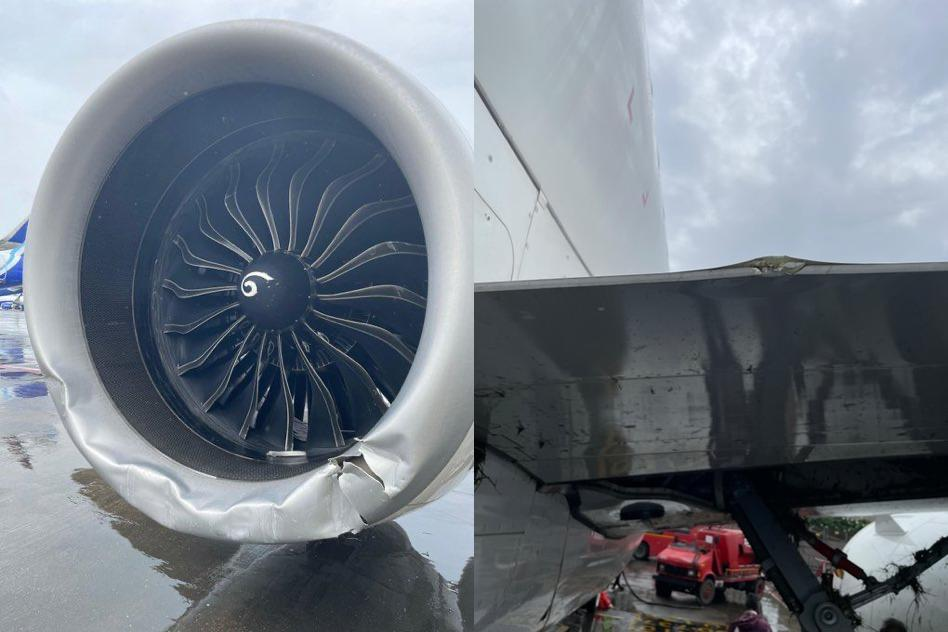
Air India’s A320neo made a terrifying exit from Mumbai’s primary runway July 21 during blinding monsoon rains, veering off at 140 knots and scraping its wingtip across soaked tarmac. The incident exposed India’s coastal airports’ vulnerability to aquaplaning – when tires lose grip in standing water deeper than 0.3mm.
Captain reported “complete hydroplaning” moments before the drama unfolded at 06:45 IST. Crosswinds gusting 35 knots compounded the nightmare as the jet locked up sideways, runway closed 90 minutes causing 12 flight diversions. Passengers emerged shaken but unharmed, though Mumbai’s primary runway damage delayed IndiGo’s morning bank by 2 hours.
What Exactly Happened During Those 7 Seconds?
The sequence played out brutally fast:
-
T-7s: Touchdown normal, 140 knots, reverse thrust engaged
-
T-3s: Brakes locked – tires aquaplaned on 8mm standing water
-
T-0: Right main gear departed runway, wingtip scraped taxiway lights
-
+15s: Full stop 200m off centerline, no fire
Mumbai’s Monsoon Safety Crisis Exposed
Mumbai Airport immediately blamed “unprecedented rainfall” but AAIB preliminary report paints uglier picture. Runway 27 grooves worn 40% beyond limits, no friction testing during monsoon season, ATC cleared landing despite 40mm/hr rain rate.
India’s Monsoon Excursion Stats:
| Airport | Incidents | Cause |
|---|---|---|
| Mumbai | 7 | Aquaplaning |
| Kolkata | 4 | Visibility |
| Chennai | 3 | Crosswinds |