



The US Federal Aviation Administration (FAA) has ordered operators of certain Boeing 737 Next Generation aircraft to carry out repeated tests of part of the jets’ flight control system, warning that an undetected fault could lead to an uncommanded roll and, if not corrected in time, a loss of control. Airworthiness Directive 2026-23-04 was published in the Federal Register on 20 November 2026.
The directive covers selected 737-600, 737-700, 737-700C, 737-800 and 737-900 aircraft identified in a Boeing Alert Safety Advisory, 737-BSA-22-001. It does not apply to the entire 737NG fleet. The FAA estimates that about 300 US-registered aircraft are affected.
What operators must do
Under the directive, operators must perform repetitive aileron built-in test equipment (BITE) checks on the aircraft’s digital flight control system, following the procedures in Boeing’s advisory. If a test fails, the fault must be corrected and the test repeated until it passes.
According to reporting on the rule, the directive does not require any immediate hardware replacement. It was issued as a final rule without the usual advance notice and public comment period, with the FAA finding good cause to act because of the risk to the flying public and a compliance time shorter than a comment period would allow.
The safety concern
The issue centres on the autothrottle’s cruise thrust split monitor, known as MONFD. The monitor is designed to disconnect the autothrottle when there is an excessive difference in thrust between the two engines that could affect the aircraft’s lateral stability.
The FAA determined that spoiler position data used by the system could be lost without being detected, or could be erroneous. In that case the thrust split monitor might not activate, leaving the autothrottle engaged despite a significant thrust imbalance. The resulting asymmetric thrust could cause an uncommanded roll, which the FAA warns could lead to a loss of control if the flight crew does not correct it in time.
Earlier action on older 737s
The FAA has previously acted on the same safety function in older 737 models. A 2022 directive covered 737 Classic aircraft (the 737-300, -400 and -500) after the possibility of an undetected spoiler sensor failure was identified, and a separate 2024 directive addressed flight control rigging tolerances on the 737-300 and -400 that could prevent spoiler deflection from reaching the level needed to engage the thrust split monitor.
The Federal Register on the same day also carried a separate FAA airworthiness directive for all Boeing 757 aircraft, requiring inspections of existing reinforcing repairs in parts of the lower fuselage frames after reports of cracking at those repairs.
The FAA’s estimate of affected aircraft covers only US-registered jets. Boeing’s newest 737 variant has also been in the news recently: the FAA certified the 737-10, the largest member of the 737 MAX family, on 20 October.
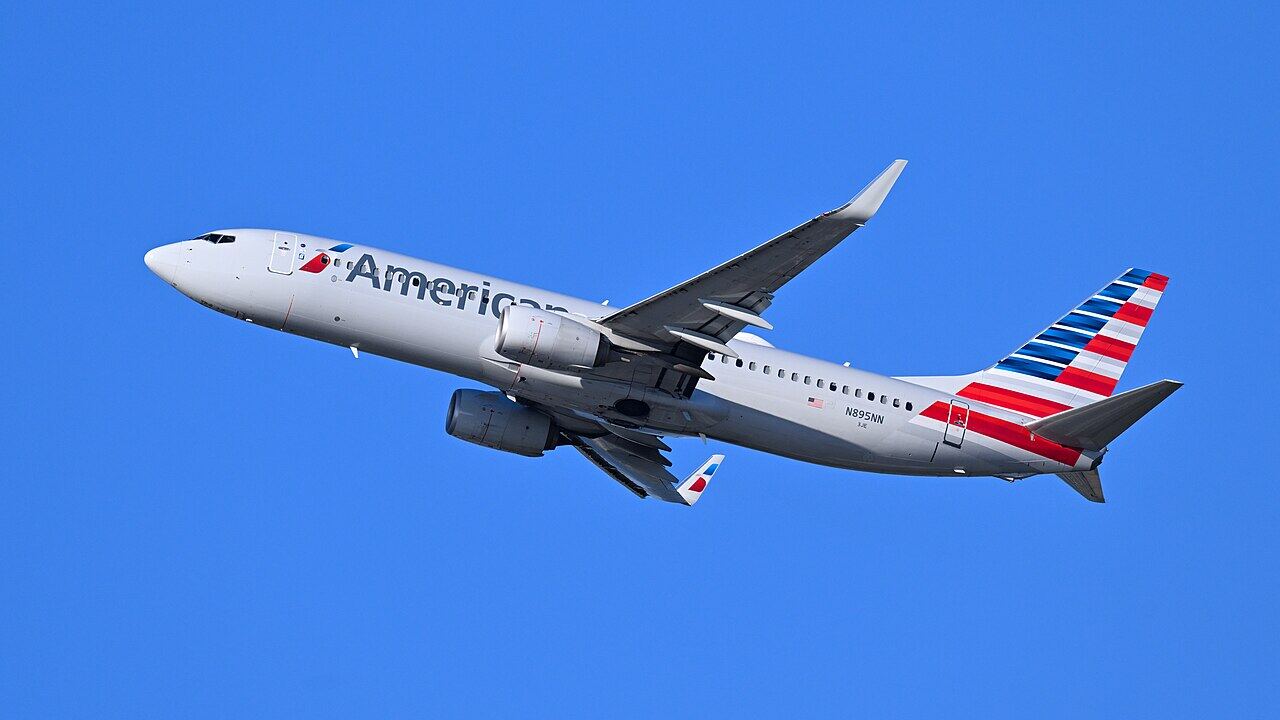
Featured image: Photo: 4300streetcar / Wikimedia Commons, CC BY 4.0 (file photo)