


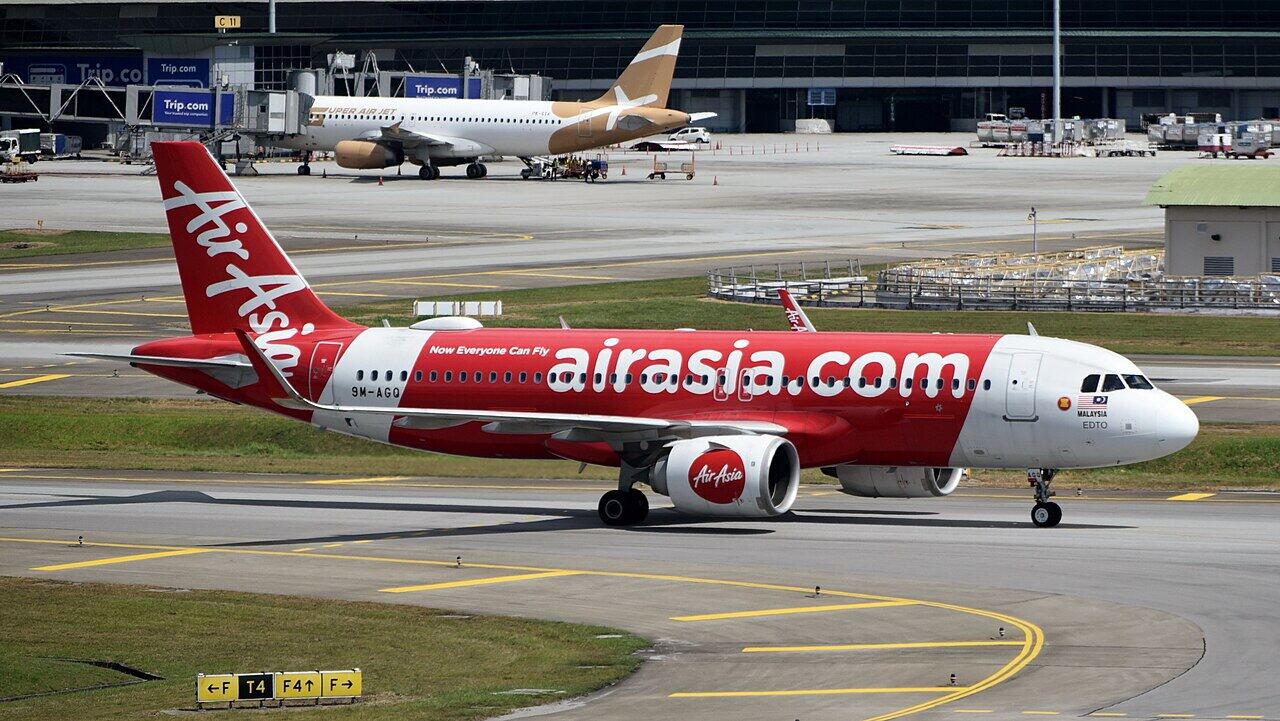
AirAsia Group has reported a net loss of RM381.3 million (about US$92.5 million) for the third quarter ended 30 September 2026, as elevated jet fuel prices and foreign exchange losses continued to weigh on the Malaysian low-cost airline group, according to results published on 23 November.
The loss is narrower than the RM830.5 million net loss the group booked in the second quarter, a reduction of around 54% quarter-on-quarter, Airways Magazine reported. The portion of the loss attributable to equity holders was RM175.1 million, the figure carried in the headline of The Star‘s report.
Group chief executive Bo Lingam said “the worst is behind us”, FlightGlobal reported, pointing to plans to rebuild the fleet using the group’s orderbook of around 500 aircraft.
Almost a third of the fleet idle
About 31% of AirAsia’s fleet was non-operational at the end of September, leaving 162 aircraft in service out of a total of 234, according to reports of the filing. The group attributed the groundings to a wider network restructuring carried out in response to high fuel prices.
Revenue fell 8.4% to RM4.66 billion, from RM5.09 billion in the previous quarter, as the group cut capacity by 12% quarter-on-quarter amid fleet rationalisation. AirAsia also booked a net foreign exchange loss of RM141.9 million in the period.
Fuel still the main pressure
Jet fuel prices averaged US$152 a barrel in the third quarter, down from US$183 in the second quarter, according to the reports. Despite a recent easing in prices, the group said it expects fourth-quarter fuel costs to be higher than in the third quarter.
The results also showed pressure on the balance sheet. Free Malaysia Today and The Manila Times both reported that the group’s cash position had dwindled during the quarter. AirAsia said it remains in active engagements with financial institutions and is progressing what it described as liquidity-enhancing exercises.
A difficult year for regional carriers
AirAsia had already signalled a sharp retrenchment after its second-quarter results, when it warned it would cut capacity by up to 25% in the third quarter in response to the fuel price spike. The latest figures show the impact of that cutback on revenue, even as losses narrowed from the previous quarter.
The group is not alone in feeling the squeeze. Earlier this month, Air Arabia reported a 42% fall in third-quarter net profit, citing fuel costs and regional conflict.
For AirAsia, the immediate test will be whether it can return grounded aircraft to service and rebuild capacity while fuel costs remain elevated and its liquidity talks with lenders continue.
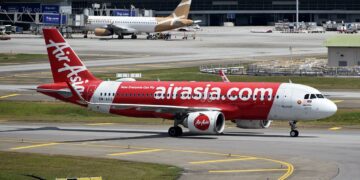
Featured image: Photo: Bahnfrend / Wikimedia Commons, CC BY-SA 4.0 (file photo)





Comments 1