

The United States has proposed a 10% tariff on finished aircraft imported from Brazil, a move that would end the exemption Brazilian-built jets have enjoyed under Washington’s trade action against the country and put Embraer, Brazil’s largest aircraft maker, directly in the firing line. The Office of the US Trade Representative (USTR) announced the proposal on November 25 and has opened it to public comment.
The aircraft duty is part of a wider package of proposed changes to the Section 301 action USTR has taken against what it describes as Brazil’s unreasonable acts, policies and practices. Alongside the aircraft tariff, the agency proposed higher duties on out-of-quota imports of both raw and refined sugar.
Why Washington is doing it
US Trade Representative Jamieson Greer said the new duties are intended to push Brazil towards negotiations, adding that Washington remains open to talks, according to Reuters. The proposal has not been finalised. USTR has scheduled a public hearing on the proposed modifications for January 14, 2027.
Brazil’s government responded by calling the proposed tariffs on its aircraft and sugar an “unacceptable action”, while saying it remains committed to reaching a negotiated resolution.
Embraer pushes back
Embraer said it was reviewing the announcement and made clear it wants the long-standing tariff-free treatment of aerospace products preserved. “We continue to firmly believe in and advocate for maintaining the zero-tariff regime for the global aerospace industry,” the company said. The zero-tariff arrangement for the sector has been in place since the 1980s.
Investors reacted quickly. Embraer shares fell by as much as 9.2% after the announcement before the decline moderated to 6.7%, Reuters reported.
What is at stake for US airlines
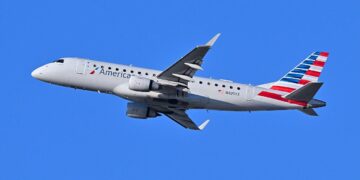
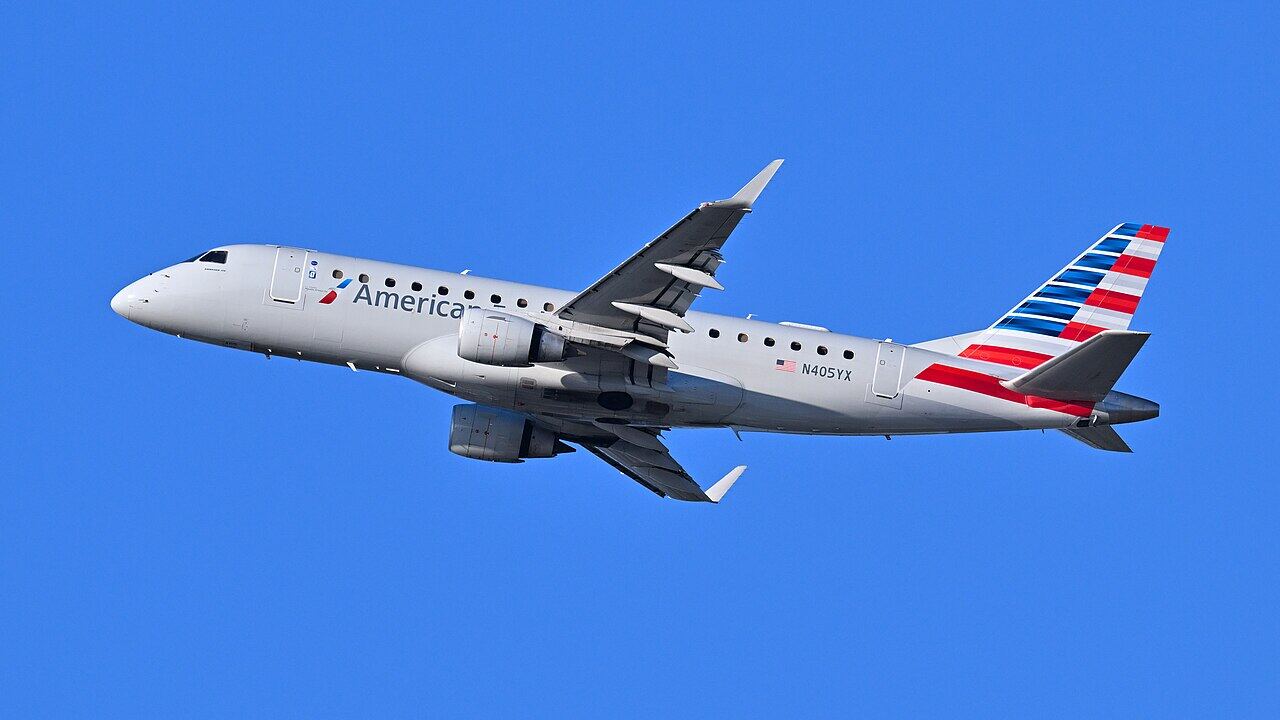
The United States is Embraer’s most important market for commercial jets. The manufacturer’s E175 regional jet holds roughly 80% of the US regional aircraft market, according to Investing.com, and is the backbone of the regional fleets that fly under the American Eagle, Delta Connection and United Express brands. Any tariff on finished aircraft would raise the cost of new deliveries to those operators, with few alternatives available in the same size category.
Analysts are split on how far the proposal would reach into Embraer’s business jet line. JPMorgan told clients it did not expect the tariffs to affect the Praetor family, while UBS analysts said they expected the duties to apply to the Praetor, noting that the US accounts for 65% of its deliveries, according to Reuters.
The proposal comes amid a busy period for aircraft orders worldwide, with Boeing recently booking deals from carriers including Malaysia Aviation Group. For Embraer, the coming weeks of consultation will determine whether its US customers face a new cost on every jet they take from Brazil.
Featured image: Photo: 4300streetcar / Wikimedia Commons, CC BY 4.0 (file photo)