

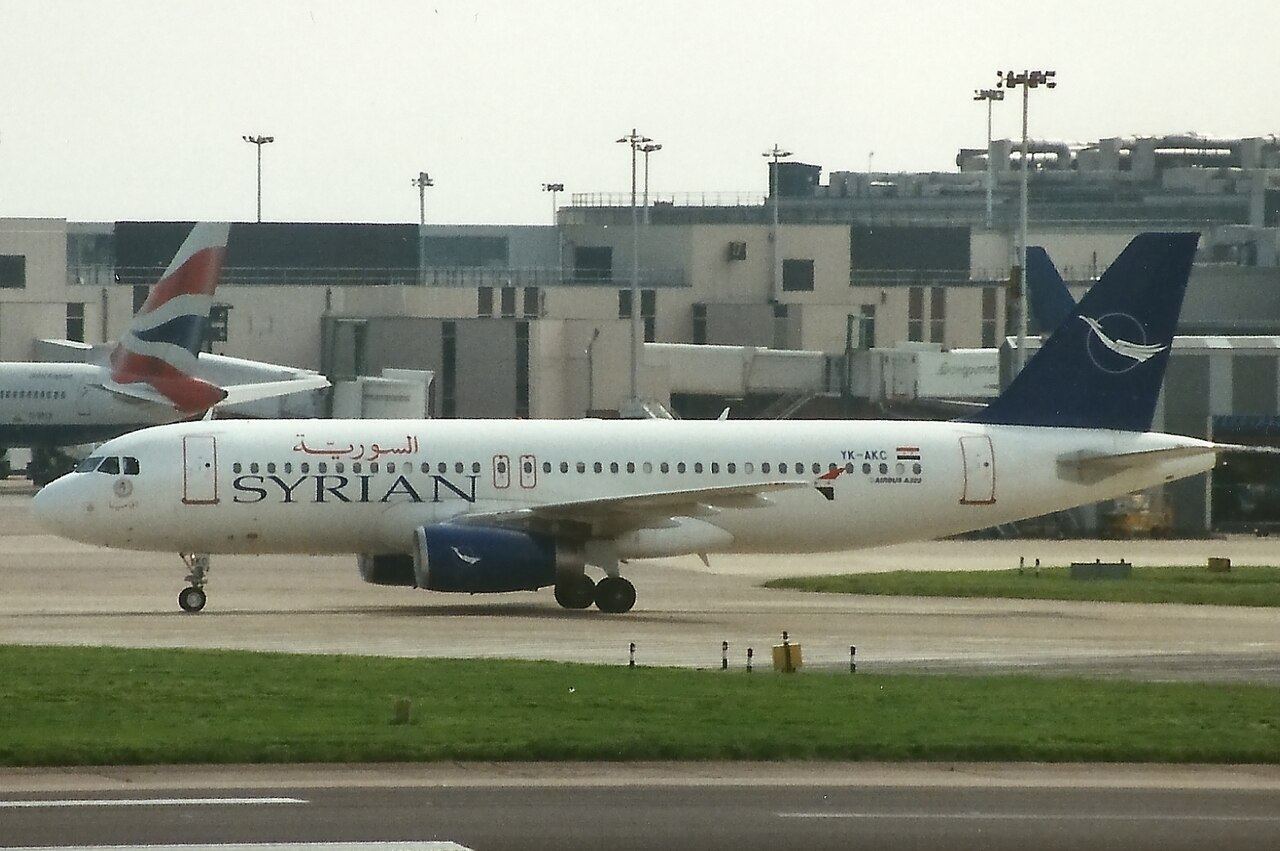
Syrian Airlines launched twice-weekly flights between Damascus and Munich on 12 November 2026, two days after starting a twice-weekly service between Damascus and Berlin Brandenburg on 10 November. Both routes are operated with Airbus A320 aircraft, according to Aviation Week and schedule data.
The new German services form part of a broader return to Europe for the Syrian flag carrier, which has also unveiled a new green-and-gold livery as it rebuilds its international network.
Two German gateways in one week
Germany is home to one of the largest Syrian communities in Europe, making it a natural priority market. Berlin Brandenburg’s chief executive said the Damascus route would serve people with family, cultural or business ties to Syria.
Pre-launch schedule reports listed the Berlin flights as a Tuesday and Friday service. AeroRoutes had listed Munich departures from Damascus at 05:05 and 16:55 local time. As with any new route, passengers should check the airline’s latest timetable before booking.
A market in recovery
The launches reflect a rapid recovery in Syrian air travel. According to Aviation Week, scheduled departing seats from Syrian airports for January to November 2026 are up 68.5% compared with the same period in 2025. Other airlines have also been adding links to Damascus, including new services from Turkish cities such as Antalya and Izmir.
For Syrian Airlines, re-entering European markets requires meeting regulatory and safety requirements, securing slots and rebuilding commercial relationships after years in which the carrier’s international network was heavily restricted. Opening two German routes in the same week signals that much of that groundwork is now in place.
What it means
The new routes give travellers in Germany direct options to Damascus that until recently required connections through hubs in Turkey or the Gulf. That is likely to appeal strongly to diaspora passengers, who make up a large share of demand on these routes, as well as to business travellers and aid organisations.
The bigger test will be sustainability. Twice-weekly A320 services are a cautious starting point, and frequencies will depend on how demand develops and how competitors respond. Foreign carriers also see opportunities in Syria’s reopening market, and the national airline will need to compete on reliability and service as well as convenience.
For now, the Munich and Berlin launches mark one of the clearest signs yet that Syria’s aviation links with Western Europe are being rebuilt, with Germany, home to a large Syrian diaspora, at the front of that recovery.
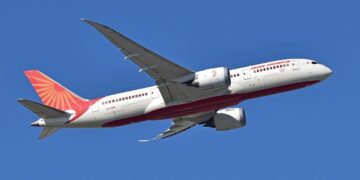
Featured image: Photo: simon butler from halesowen, uk / Wikimedia Commons, CC BY 2.0 (file photo)