


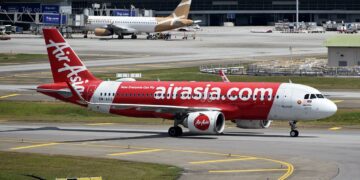


SpiceJet cancelled at least 31 of the 42 flights it had scheduled at Delhi, Mumbai and Bengaluru airports on Thursday, 19 November, as the cash-strapped Indian carrier’s operating crisis deepened, Business Standard reported. That is roughly 74 per cent of its services at the country’s three busiest airports, leaving passengers stranded as India’s aviation regulator, the Directorate General of Civil Aviation (DGCA), stepped up scrutiny of the airline.
According to reports citing the Economic Times, the DGCA had approved around 66 daily flights for SpiceJet under the current winter schedule, but the airline has been operating only about 15 a day while continuing to sell tickets.
DGCA issues show-cause notice
The Statesman reported that the DGCA has issued SpiceJet a show-cause notice after the airline failed to maintain its approved schedule. A senior DGCA official was quoted as saying that any decision on suspending the airline’s operations rests with the Ministry of Civil Aviation. The regulator has so far stopped short of barring SpiceJet from accepting bookings.
That has drawn criticism from travel agents and industry executives, who have questioned how the airline was allowed to keep selling seats on flights it could not operate. Travel agents have reportedly moved to cash-and-carry arrangements when dealing with the carrier.
Rs 5,500 crore fundraising plan
The cancellations come a day after SpiceJet’s board approved a plan to raise up to Rs 5,500 crore as the airline grapples with unpaid dues, salary delays and payment disputes with suppliers and aircraft lessors, Business Standard reported. The airline is also said to be in discussions with potential new investors.
The financial pressure has also reached SpiceJet’s international operations. On 12 November, four SpiceJet flights from Dubai were cancelled after check-in was suspended over money owed to ground handler dnata, according to reports by Hindustan Times and AeroTime.
What it means for passengers and capacity
Passengers holding SpiceJet tickets in the coming days should check flight status directly with the airline before travelling to the airport.
SpiceJet’s troubles come at a time when Indian aviation is already short of capacity. Commerce and Industry Minister Piyush Goyal said earlier this week that India is ready to order 1,000 more aircraft amid an acute shortage. A sharp reduction in SpiceJet’s flying removes further seats from an already stretched domestic market.
Whether the airline can stabilise its schedule now depends largely on how quickly fresh funds arrive, and on how the civil aviation ministry and the DGCA respond to its failure to operate the flights it was approved to fly.