



India is facing an acute shortage of civilian aircraft and is ready to order around 1,000 more planes, Commerce and Industry Minister Piyush Goyal said in Cairo on Monday, 16 November, during a two-day visit to Egypt focused on trade and investment.
“We have ordered more than 1,200 planes, and we are ready to order another 1,000 planes; we need more than 2,000 planes for our requirements,” Goyal said, according to reports. He added that India is pursuing established aircraft manufacturers for faster supplies.
Not a formal order
Goyal’s remarks describe demand rather than a signed deal. No airline or manufacturer has been named in connection with the additional 1,000 aircraft, and neither Airbus nor Boeing has announced any new Indian commitment. The existing backlog he referred to is largely made up of orders placed by IndiGo, Air India and Akasa Air with the two Western planemakers.
The minister linked the fleet shortfall to international connectivity, saying that as more aircraft arrive, India would be able to add flights to destinations such as Egypt. EgyptAir currently operates the direct services between the two countries.
A supply problem, not a demand problem
The comments underline a tension that has defined Indian aviation for the past two years: passenger demand is growing faster than aircraft can be delivered. Airbus and Boeing are both carrying very large order backlogs, while shortages of engines and components have slowed production. Indian carriers have also had to park aircraft because of engine issues, further squeezing capacity.
Any order placed today would therefore be unlikely to deliver meaningful capacity for several years. Delivery slots for popular narrowbodies such as the A320neo family and the 737 MAX are booked well into the next decade.
Indian suppliers ride the wave
The same supply squeeze is benefiting India’s aerospace manufacturing base. Reports this week said ten large Indian aerospace suppliers have risen an average of 123 per cent this year, as Airbus and Boeing source more parts and engineering work from the country. Combined annual procurement by the two planemakers from India has reportedly reached nearly $3 billion.
India’s share of the global aerospace supply chain nonetheless remains small, estimated by the Aerospace India Association at about 1 per cent, and much of the work reaches the planemakers through intermediate tiers.
What it means
Goyal’s statement is a signal of intent from the government that India’s airlines intend to keep growing aggressively, and that New Delhi sees aircraft procurement as a lever in trade diplomacy. For manufacturers, it reinforces India’s position as the most important growth market outside China.
The practical challenge is unchanged: until production rates rise and engine reliability improves, Indian carriers will continue to compete for scarce aircraft, keeping fares firm and making leasing, wet-leasing and maintenance capacity more valuable.
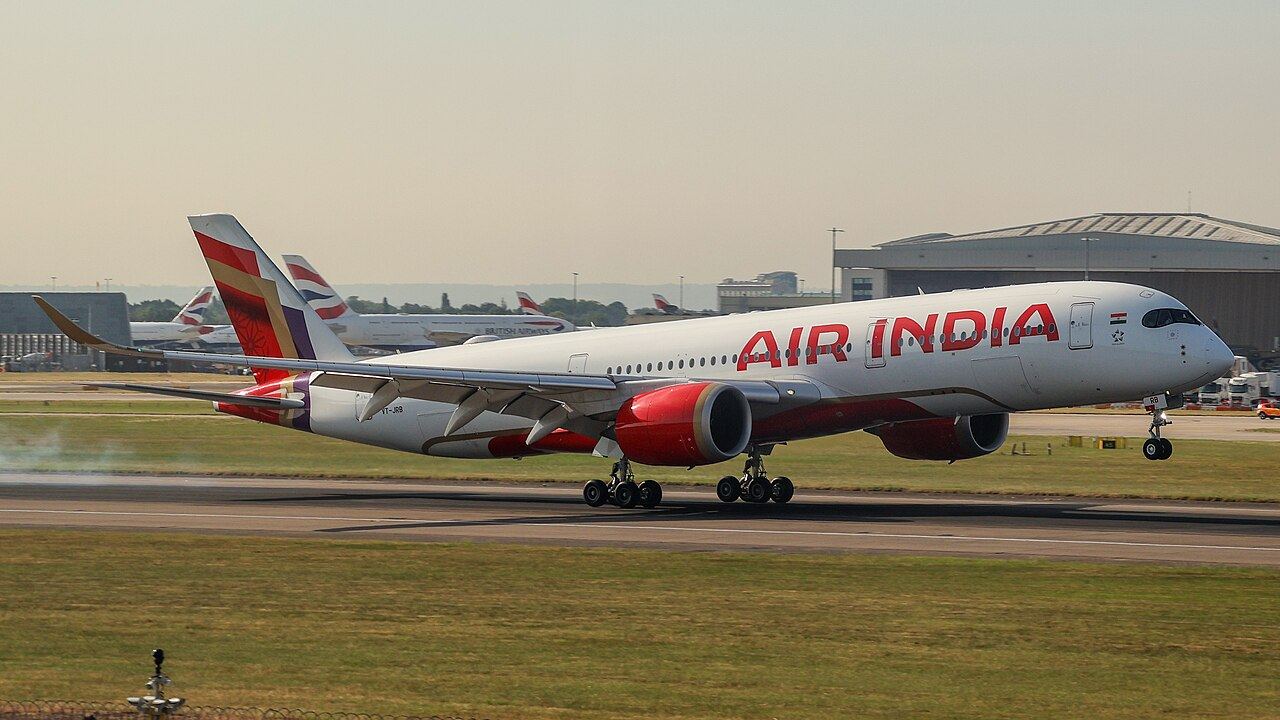
Featured image: Photo: S5A-0043 / Wikimedia Commons, CC BY 4.0 (file photo)







Comments 1