


The US Federal Aviation Administration has paused the installation of new Juniper routers across its air traffic control telecommunications network while it investigates the failure that triggered last Friday’s nationwide ground stop, officials said on Tuesday, 17 November. The pause will remain in place while the investigation continues.
The ground stop on Friday, 13 November, halted departures at airports across the United States for more than four hours. The FAA has estimated that about 16,000 flights were cancelled as a result, with disruption continuing into the weekend before schedules largely recovered on Monday.
What officials have said
According to officials, the disruption followed the installation of a Juniper router at an FAA facility in El Dorado, Arkansas, as part of a network upgrade overseen by contractor L3Harris Technologies. The new router flooded the network with data, overwhelming an older system. Transportation Secretary Sean Duffy said a system replaced about three weeks earlier in Amarillo, Texas, also began to flood the network when the Arkansas router was switched on.
FAA Administrator Bryan Bedford said the agency has suspended use of that router model and disabled units already in service. For now, the network is relying on older Cisco routers while the faulty units are tested at L3Harris.
Duffy said on Tuesday that the department is considering bringing in an outside party to help monitor the telecommunications network used by air traffic controllers. “We have to have them perform better, and then we’re going to look at bringing some outside help in,” he said. He dismissed suggestions that artificial intelligence tools were involved as “completely unfounded”.
Cause still under investigation
Despite the focus on the routers, officials have stressed that the root cause has not yet been determined. Hewlett Packard Enterprise, which owns Juniper Networks, said the router was functioning as intended based on the information available to the company. The FAA has said there is no indication of a cyberattack or outside malicious actor.
Democrats on the Senate committee that oversees aviation had called for an immediate halt to new router installations, questioning whether the equipment had been adequately tested before deployment.
Pressure for modernisation funding
The episode has added urgency to Duffy’s call for Congress to approve $50 billion to overhaul the ageing US air traffic control system. Critics have meanwhile raised questions about how the FAA manages its existing modernisation spending, a debate the outage is likely to sharpen.
What it means
The ground stop has exposed how a single fault in supporting telecommunications infrastructure can cascade into one of the most disruptive days in recent US aviation history. Pausing the rollout reduces short-term risk but also slows the modernisation the FAA says it needs.
For airlines, the immediate concern is resilience: carriers lost thousands of flights through no operational fault of their own. The findings of the FAA and L3Harris testing, and any decision to bring in independent oversight of the network, will shape how quickly confidence in the system is restored.
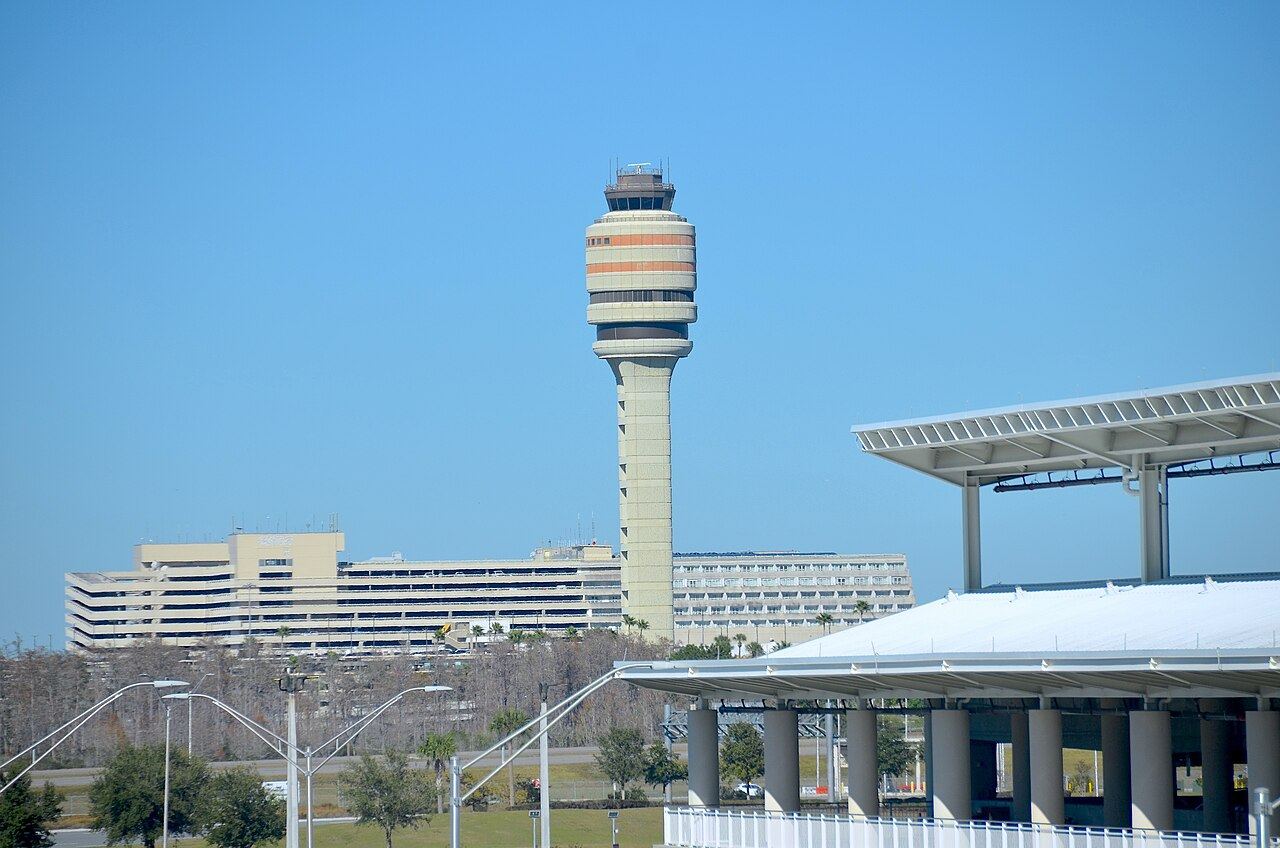
Featured image: Photo: Olga Ernst / Wikimedia Commons, CC BY-SA 4.0 (file photo)