






A team from the US Federal Aviation Administration (FAA) is scheduled to begin a five-day assessment of India’s aviation safety oversight system today, 16 November, running until 20 November. The review, carried out under the FAA’s International Aviation Safety Assessment (IASA) programme, will determine whether India retains its Category 1 rating, the highest available under the US framework.
According to reports, the assessment covers the Directorate General of Civil Aviation’s (DGCA) oversight of flight operations, airworthiness and personnel licensing. The audit examines the regulator rather than individual airlines.
What is at stake
Category 1 status signals that a country’s civil aviation authority meets the safety standards set by the International Civil Aviation Organization (ICAO). It is a precondition for Indian airlines to start new services to the United States, expand existing ones, or enter into certain codeshare arrangements with US carriers.
A downgrade to Category 2 would not ground Indian airlines, but it would freeze growth on US routes and carry significant reputational cost. That matters most to Air India, which operates non-stop services to the United States, and to any future plans by other Indian airlines to serve North America.
How the DGCA has prepared
Reports say the DGCA has completed final inspections of Indian airlines in the run-up to the visit and has responded to nearly 200 questions from US officials as part of the exercise. The FAA team is expected to review documentation, interview officials and look at how the regulator handles licensing, surveillance and enforcement.
No outcome is expected immediately. IASA findings are typically communicated after the assessment concludes, and the FAA has not issued a public statement about this review.
Lessons from 2014
India has been here before. The FAA downgraded the country to Category 2 in January 2014 after identifying shortcomings in the DGCA’s oversight capacity, including staffing of flight operations inspectors. The rating was restored in April 2015 after India strengthened its regulatory set-up. The most recent prior review, in 2023, kept India in Category 1.
Since then, India’s aviation market has grown rapidly, with airlines holding orders for well over a thousand new aircraft. That growth has placed additional pressure on the regulator’s workforce and processes, which is precisely what an oversight audit is designed to probe.
What it means
The assessment arrives at a sensitive moment for Indian aviation, with the industry still under scrutiny after a series of high-profile incidents over the past 18 months. Retaining Category 1 would be an important endorsement of the DGCA’s reforms; any significant findings would likely prompt corrective action plans before a final rating decision.
For passengers, nothing changes during the audit. For airlines and policymakers, the result will be closely watched as a benchmark of whether India’s safety oversight is keeping pace with one of the world’s fastest-growing aviation markets.
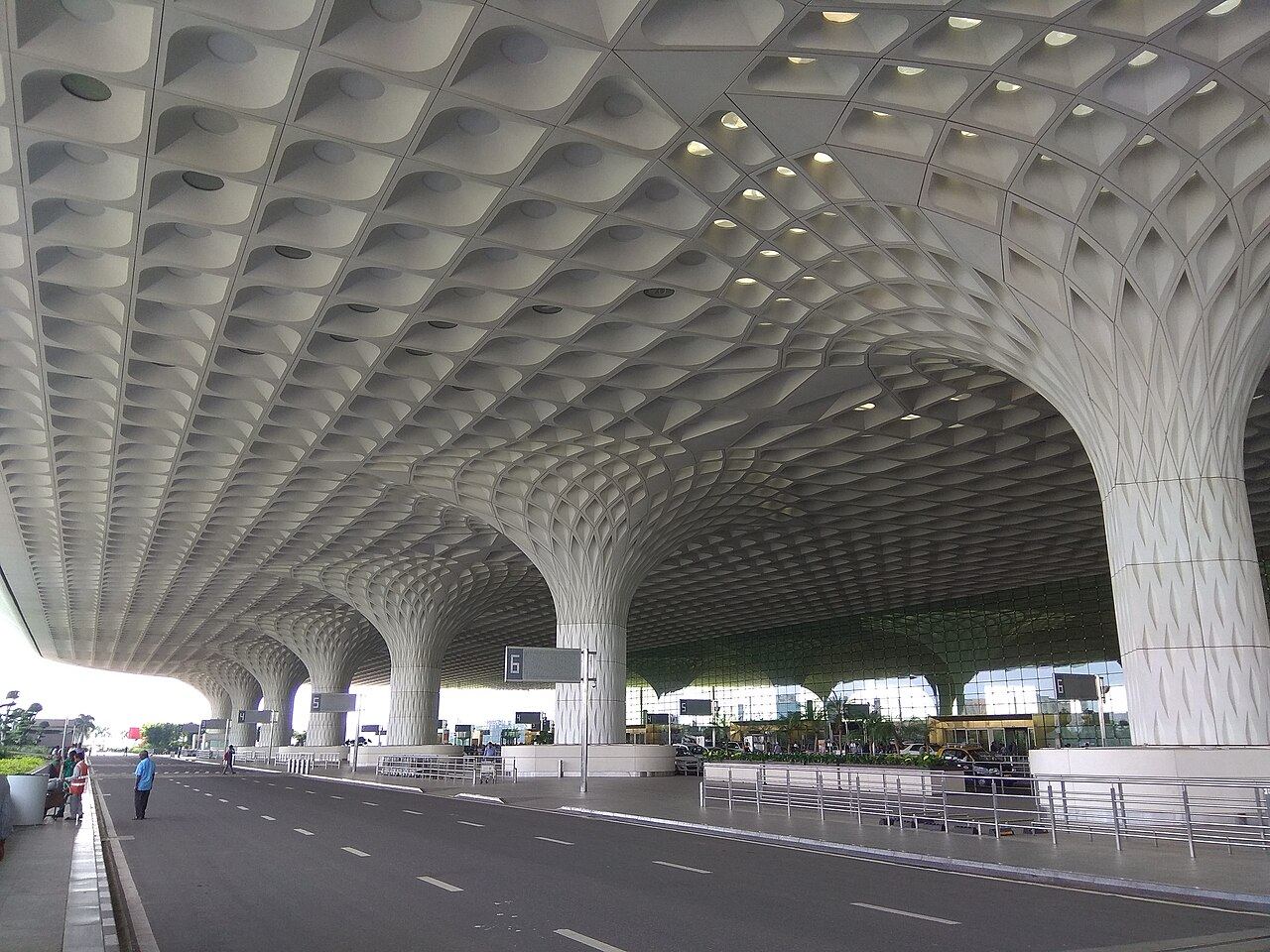
Featured image: Photo: PIYUSH P PUJARI / Wikimedia Commons, CC BY-SA 4.0 (file photo)








Comments 1